
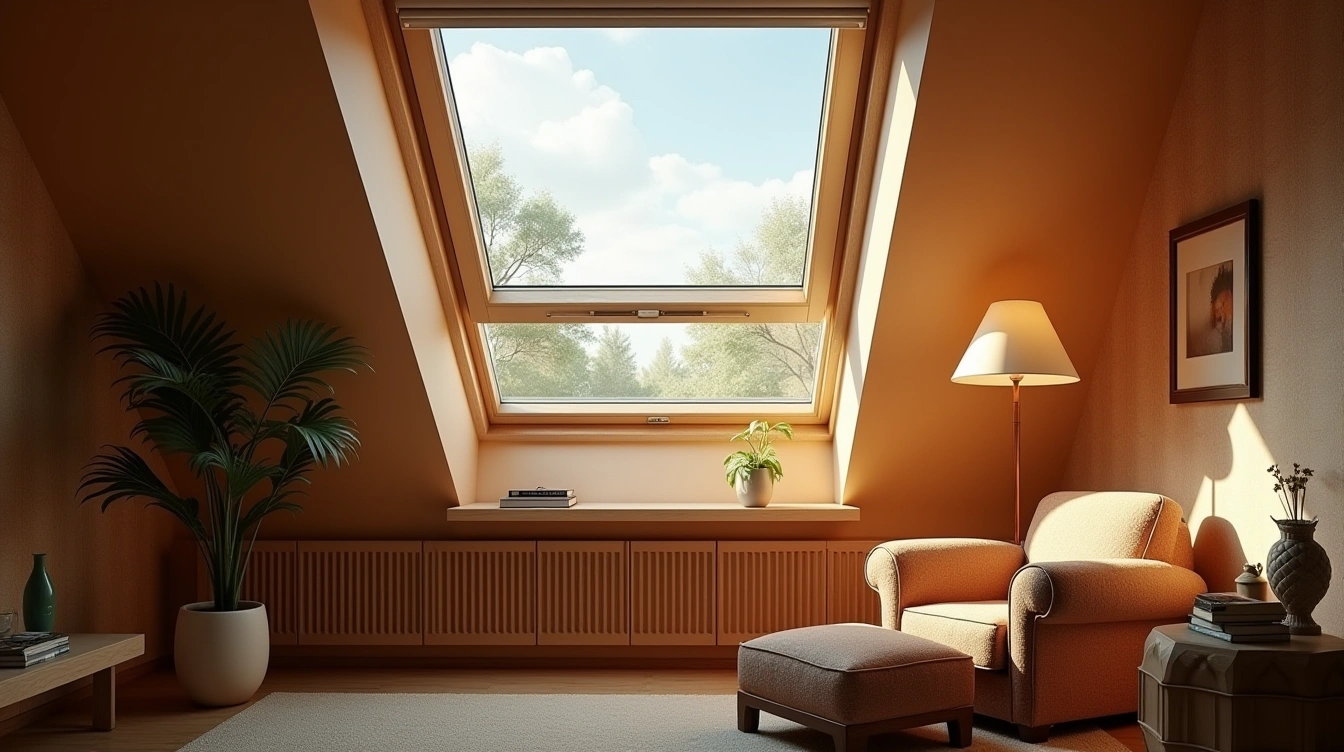
How manual opening skylights work
At their essence, manual venting skylights are designed to bring both daylight and fresh air indoors. Unlike fixed models, these skylights feature mechanisms—such as crank handle operation or control rod operation—that allow users to open and close them as needed. This hands-on approach lets occupants adjust ventilation and lighting throughout the day, tailoring the environment to their preferences. Most manual opening skylights include tight seals and weather-resistant construction, ensuring protection from leaks when closed. Security is enhanced through robust locking systems, while the overall design maintains smooth manual functionality. These thoughtful details guarantee reliable performance in various weather conditions. If you are considering options for your home, Skylights with Manual Opening provide versatility in both function and installation style.Key benefits of manual venting skylights
Choosing manual opening skylights brings practical advantages, from boosting comfort to reducing utility expenses. Many homeowners appreciate the simplicity and reliability of these units, especially compared to motorized alternatives that may require electricity and ongoing maintenance. The appeal lies in their straightforward operation. Without dependence on electronic components, manual skylights offer dependable performance and long-lasting durability, making them an excellent fit for anyone who values low-maintenance solutions.Increasing natural light and comfort
Strategically placed fresh air skylights can transform dim rooms into bright, inviting spaces. By letting in natural breezes and abundant daylight, these features enhance indoor ambiance and promote well-being. Accessories such as skylight shades and room lighting control options further customize comfort, allowing users to minimize glare and heat during peak sunlight hours. This boost in natural lighting reduces reliance on artificial sources, cutting energy bills and supporting eco-friendly living. In kitchens, bathrooms, and converted lofts, improved sunlight and adjustable air circulation create more enjoyable and functional environments.Improved ventilation and temperature regulation
Manual venting skylights make it easy to regulate humidity and temperature. Since warm air naturally rises, opening a skylight acts like a chimney—releasing trapped heat and moisture while drawing in cooler outdoor air. This process is particularly valuable in areas prone to condensation, such as kitchens after cooking or bathrooms following showers. Combining deck mounted skylights with other ventilating models maximizes cross-ventilation, benefiting even large or multi-level spaces. For households focused on lowering HVAC costs, frequent air exchange via manual skylights provides a cost-effective alternative to constant fan or air conditioner use.- 🌞 Enhanced daylight distribution
- 💨 Effective room ventilation at no extra cost
- 🕹️ Easy-to-operate controls like rods or crank handles
- 🛠️ Low-maintenance compared to electronic skylights
- 🔒 Secure closure systems for peace of mind
Types of manual opening mechanisms
When selecting a skylight, the manual opening mechanism plays a crucial role in usability. Two main types dominate the market: crank handle operation and control rod operation. Each offers unique strengths depending on installation height and how frequently the skylight will be used. Accessibility and ease of use are central considerations. Choosing the right mechanism ensures all household members can operate the skylight safely and comfortably.Crank handle operation explained
The crank handle mechanism is a common solution for deck mounted skylights within easy reach. Users simply turn the handle to open or tilt the window, enjoying precise control over ventilation. Crank handles are sturdy, require minimal effort, and provide years of reliable service without complex upkeep. This method is ideal for medium-height ceilings, offering tactile feedback and quick adjustment perfect for kitchens or living areas where immediate changes in airflow or temperature are often needed.Control rod operation for high ceilings
For skylights installed in rooms with tall or vaulted ceilings, control rod operation is the preferred option. Extendable rods enable users to open or close skylights overhead without ladders or stools, promoting safety and independence. A simple twist or hook action brings full functionality to otherwise hard-to-reach installations. This system broadens placement possibilities for fresh air skylights and encourages regular use, resulting in better indoor air quality and optimized lighting throughout the year.Installation variations: deck versus curb mounted skylights
The way a skylight is installed impacts both function and appearance. The two primary methods—deck mounted skylights and curb mounted skylights are suited to different roof types and architectural styles. Understanding these distinctions helps homeowners choose the best fit for their property. Deck mounted skylights sit flush with the roof surface, creating a sleek, low-profile look ideal for pitched roofs. Curb mounted skylights, by contrast, rest atop a raised frame or “curb” and are most commonly used on flat or low-slope roofs, offering adaptability where direct mounting is not feasible.| 🏗️ Type | 🔧 Application | 🏠 Roof styles |
|---|---|---|
| Deck mounted skylights | Direct attachment, low profile | Pitched roofs (greater than 14°) |
| Curb mounted skylights | Raised curb structure | Flat or low-slope roofs |
Enhancing manual skylights with shades and lighting control
While natural light is desirable, too much can cause unwanted heat and glare. Adding skylight shades enables effective room lighting control, giving homeowners the power to block, filter, or diffuse sunlight as needed. These accessories fit seamlessly and can be operated manually or with simple mechanical pulls for maximum flexibility. Properly chosen shades help skylights serve dual purposes: they brighten interiors when desired and provide privacy or darkness for cooling and rest. Options range from blackout covers for bedrooms to light-filtering fabrics for communal spaces, adapting to any lifestyle requirement.- 🛌 Blackout skylight shades for peaceful sleep
- 👀 Privacy filters in bathrooms
- ⚖️ Adjustable blinds for optimized daylight balance
- 🔥 Heat reduction strategies using insulated coverings
Frequently asked questions about manual opening skylights
What is the difference between deck mounted and curb mounted skylights?
Deck mounted skylights attach directly to sloped roofs, creating a streamlined appearance with minimal intrusion. Curb mounted skylights are set on a raised frame, making them suitable for flat or low-slope roofs. The optimal style depends on your existing roof pitch and visual preferences.
| 🏗️ Installation type | 🏡 Recommended for |
|---|---|
| Deck mounted | Pitched roofs (over 14°) |
| Curb mounted | Flat or very low slope roofs |
How do you operate a skylight installed on a high ceiling?
For skylights on high ceilings, control rod operation is typically used. A telescoping rod allows you to open or close the unit safely from the ground, eliminating the need for climbing. This setup enhances daily convenience and keeps fresh air skylights accessible, even in challenging architectural spaces.
- 🔭 Telescoping rods extend up to 10 feet or more
- 🪟 Simple twist or hook motion engages the skylight lock
Can you add blinds or shades to manual opening skylights?
Yes, skylight shades are widely available and simple to install. They support effective room lighting control, helping reduce glare, manage heat, and improve privacy. Manual or cordless pull-down blinds suit a variety of applications, from blackout coverage to gentle light filtration.
- 🔒 Boost energy efficiency with thermal shades
- 🎯 Choose materials tailored to bedrooms, kitchens, or bathrooms
Which rooms benefit most from fresh air skylights?
Manual venting skylights work well in many locations. Kitchens benefit from rapid smoke and steam removal, bathrooms shed humidity efficiently, and hallways or attics receive extra light. Bedrooms also profit, as fresh air supports restful sleep in any season.
- 🍳 Kitchens for odor removal
- 🚿 Bathrooms for reducing moisture
- 🌙 Bedrooms for personalized climate control
- 🌀 Attics for balancing seasonal temperatures
A lire en complément : What’s the Best Approach to Creating a Small Urban Greenhouse?